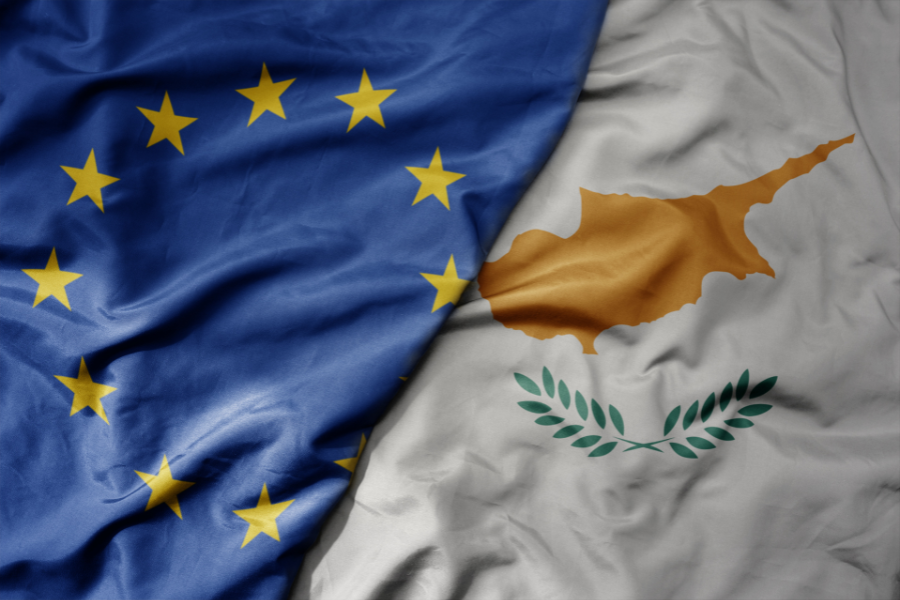
As the Republic of Cyprus assumes the Presidency of the Council of the European Union from 1 January to 30 June 2026, it brings forward a vision that places people, skills and competitiveness at the centre of Europe’s strategic autonomy. Under the motto “An Autonomous Union. Open to the World,” the Cypriot Presidency highlights a growing consensus in EU policymaking: Europe’s capacity to act independently and compete globally depends on a skilled, adaptable and resilient workforce.
Skills as a foundation for strategic autonomy
At the heart of the Presidency’s agenda lies the belief that economic strength and human capital are inseparable. The official programme frames investment in high-quality education, training and lifelong learning as a strategic necessity rather than a purely social objective, fully supported by Cedefop’s skills intelligence, which shows that anticipating and developing skills is essential for productivity, innovation and inclusive growth.
As digitalisation, the green transition and demographic change reshape labour markets, evidence-based skills policies become critical to helping people adapt to new economic realities and ensuring Europe’s long-term competitiveness.
Fair jobs and inclusive labour markets
This people-centred vision is particularly evident in the priorities of the Employment, Social Policy, Health and Consumer Affairs Council (EPSCO) by the Cypriot Presidency. Emphasis is placed on fair and inclusive employment, decent working conditions and equal opportunities as pillars of social cohesion and competitiveness.
These priorities are underpinned by Cedefop’s analytical work on job quality, skills matching and labour market transitions, supporting the implementation of the European Pillar of Social Rights and the emerging Union of Skills. Linking skills development to quality employment outcomes strengthens the role of VET and lifelong learning in promoting both social justice and economic resilience.
Skills policies for a just transition
In practical terms, Cyprus will steer Council discussions towards improving job quality, reducing inequalities and supporting a just transition for workers affected by automation and technological change. Skills policies and active labour market measures are positioned as central levers for competitiveness.
As the Presidency programme underlines,
The EU’s autonomy also depends on ensuring that its people have the skills and conditions to adapt to the new realities.
VET and competitiveness hand in hand
The Competitiveness Council (COMPET) will advance this vision into economic action through industrial modernisation, strategic value chains and productive investment. Here too, VET and skills intelligence plays a critical role in aligning industrial strategies with workforce needs.
Central to this agenda is a renewed emphasis on vocational education and training (VET) building also on the recent Herning Declaration on attractive and inclusive Vocational Education and Training for increased competitiveness and quality jobs 2026-2030. The Cypriot Presidency commits to strengthening VET and higher education within the European Education Area, promoting lifelong learning, mobility and learner-centred approaches. As president Christodoulides stated at the European Parliament,
Competitiveness is not only about removing obstacles. It is also about building capability.
A shared vision for Europe’s future
By embedding VET and skills intelligence at the heart of its Presidency, Cyprus advances a holistic vision in which jobs, skills and competitiveness are deeply interconnected. Cedefop looks forward to continuing to support the priorities of the Cypriot Presidency and the European Union by providing evidence, analysis and expertise. This reflects a shared commitment to enhancing the attractiveness, relevance and quality of VET, ensuring that vocational pathways remain responsive to labour market needs and accessible to all learners, while positioning the European Union as a workforce-ready, competitive and socially cohesive Union — autonomous in action and open to the world.