As Europe steers toward its 2030 Digital Decade targets – aiming for 80% of adults to possess basic digital skills – the transition is proving to be as much about psychological adaptation as it is about technical proficiency. Cedefop’s latest publication, Human-centred digital transitions and skill mismatches in European workplaces, offers a comprehensive look at how accelerated digitalisation – from the spread of artificial intelligence (AI) to robotics – is reshaping Europe’s labour markets and the experience of work itself.
The pandemic paradox: better matches, less joy
The COVID-19 pandemic compressed years of digital adoption into months, creating what researchers describe as a “natural experiment” in technological change. Accelerated digitalisation reduced skill underutilisation by 17.5 percentage points and increased both general and specific training, suggesting that technology can improve employment match quality rather than simply displacing workers.
However, this efficiency has come at a cost. Direct exposure to rapid digital shifts has led to a 53-percentage-point decline in positive attitudes towards technology. Many workers report increased performance pressure, adaptation fatigue and concerns about job security – a reminder that a human-centred transition must address both skill development and well-being.
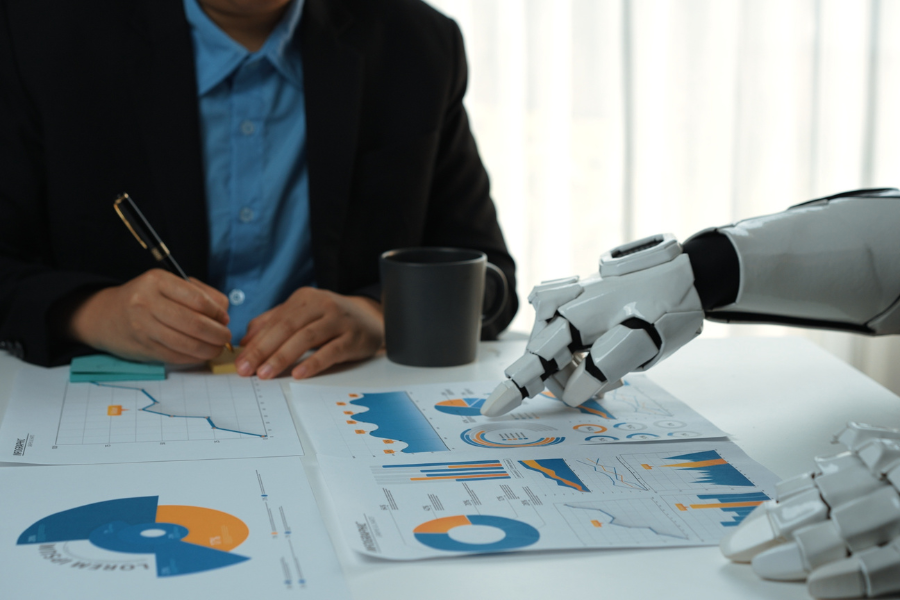
AI in action: beyond displacement
The publication challenges “technological alarmism”. Instead of total automation, most workers experience task disruption – a mix of task creation and modest displacement – which in turn boosts training demand. Workers in disrupted jobs are 26 percentage points more likely to have participated in job-related training during the past year.
Demand for AI skills is increasing significantly: online job postings for AI-related roles grew by 41.5% in early 2024 compared with 2023. The research clusters these roles into three functional areas:
Build: creating new AI products (e.g. data scientists)
Enable: using AI to transform business processes (e.g. HR managers)
Improve: optimising existing workflows (e.g. logistics engineers)
Overall, the report reveals a steady diffusion of new AI tools – such as generative AI and large language models – into organisational processes and business strategies. It also shows growing diversity in skills demand across creative, technical and managerial roles.
The inclusion challenge
Despite progress, the digital transition risks reinforcing existing inequalities. Its benefits are concentrated among male, urban and highly educated workers. A significant age and gender gap persists in digital task intensity, with older workers and women still over-represented in low-digital occupations.
Furthermore, the learning capacity of the organisation has emerged as a critical mitigating force. Enterprises that foster internal learning environments are better equipped to integrate "underqualified" workers, effectively substituting formal credentials with experiential development to solve labour shortages.
Policy directions for a resilient Europe
To safeguard Europe’s strategic autonomy and promote inclusive growth, the human-centred transition must connect digital innovation with inclusive opportunities for all. Beyond technical upskilling, policies should focus on holistic workforce development and workplace learning cultures that help individuals and organisations adapt to change.
EU initiatives should also move beyond basic IT literacy, promoting learning that blends technical knowledge with problem-solving, creativity, empathy and agility. Strengthening the “Learning Organisation” and expanding access to lifelong development, especially for vulnerable groups such as older workers and those with fragmented career paths, will be key to ensuring that Europe’s digital transformation remains both competitive and human-centred.